




















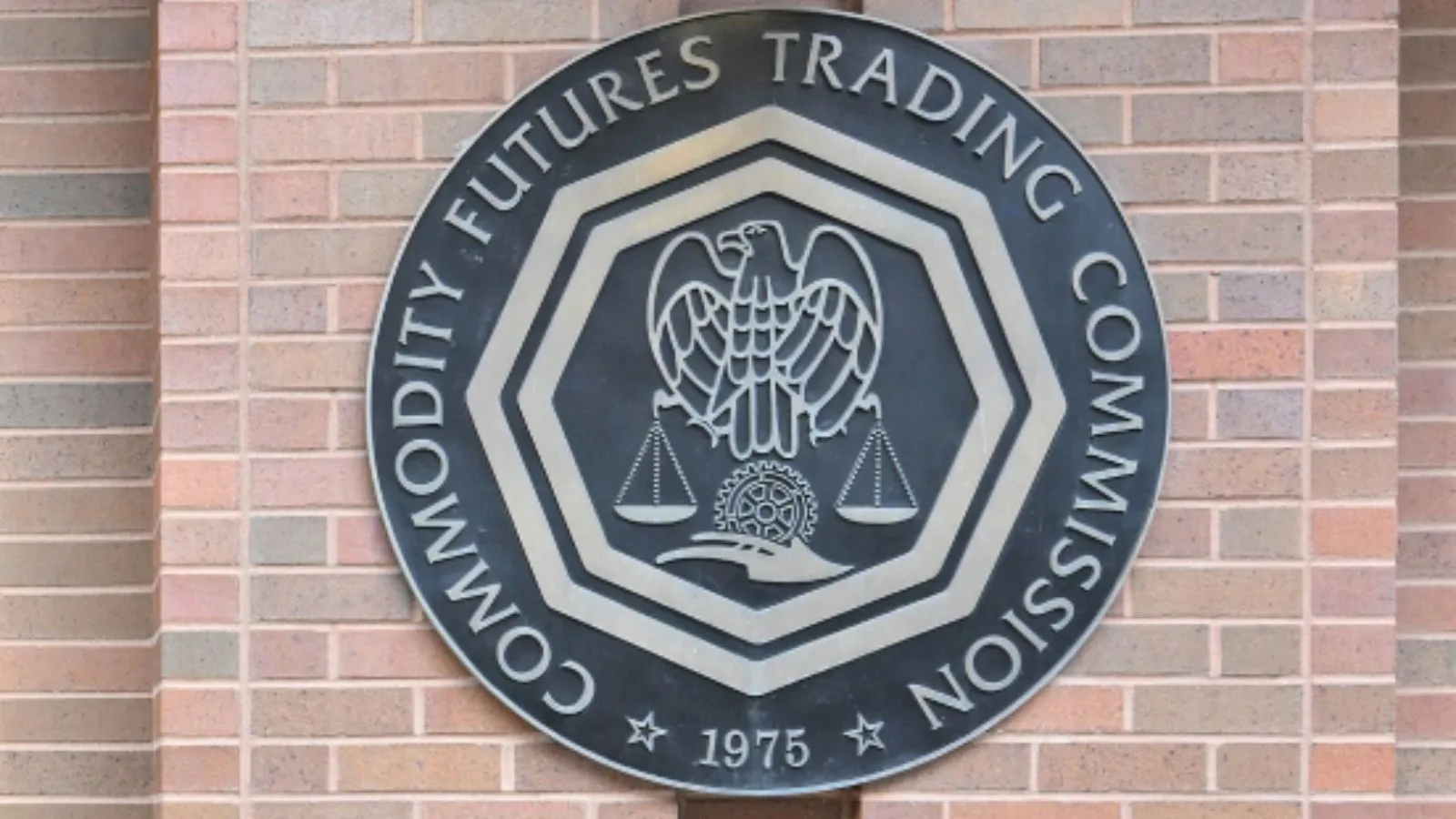

The US derivatives regulator has sued the state of Utah to prevent it from using state law against CFTC-registered markets. Utah had filed civil actions in its courts against CFTC-regulated prediction markets and other companies.
The CFTC argues that this conflicts with the federal preemption established by Congress. It also says it has initiated proceedings against nine other states and has filed briefs before four federal courts of appeals and one state supreme court. Its chairman, Michael S. Selig: “Utah seeks to shut down prediction markets across a wide variety of markets” and “Congress entrusted the CFTC with exclusive responsibility for overseeing these markets”.
WASHINGTON — The Commodity Futures Trading Commission (CFTC) announced today that it has filed a lawsuit against Utah to block the state’s attempts to shut down CFTC-registered designated contract markets through state laws. The lawsuit follows Utah’s decision to bring civil actions in state courts against CFTC-regulated markets and other companies. Utah’s attempt to restrict the operation of CFTC-registered exchanges obstructs Congress’s decision to preempt state law through federal legislation.
“Utah seeks to shut down prediction markets across a wide variety of markets,” said CFTC Chairman Michael S. Selig. “Event contracts not only serve hedging and investment purposes, but also provide the public with information about the outcome of future events. Congress entrusted the CFTC with the role of federal regulator with exclusive responsibility for overseeing these markets. As I have said before, the CFTC has the expertise and the responsibility to defend its exclusive jurisdiction over commodity derivatives, and that is precisely what we will do.”
This action reflects the CFTC’s firm commitment to maintaining its exclusive jurisdiction over prediction markets registered with it. The CFTC maintains a clear position: if a state challenges the lawful operation of a derivatives exchange, the Commission will protect federal sovereign interests. The Commission has also initiated legal proceedings against nine other states and has filed briefs before four federal courts of appeals and one state supreme court.
Get the best of the week in your inbox
Every Monday: the most-read stories on Territorio Blockchain, the new podcast episode and news about our events. Free, no spam.
We will send you an email to confirm. You can unsubscribe at any time with the link in every newsletter. Privacy