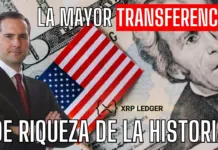











Presented by Fernando Molina on the Territorio Blockchain channel.
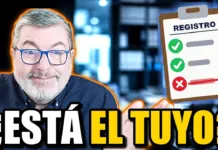
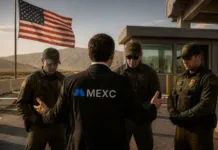
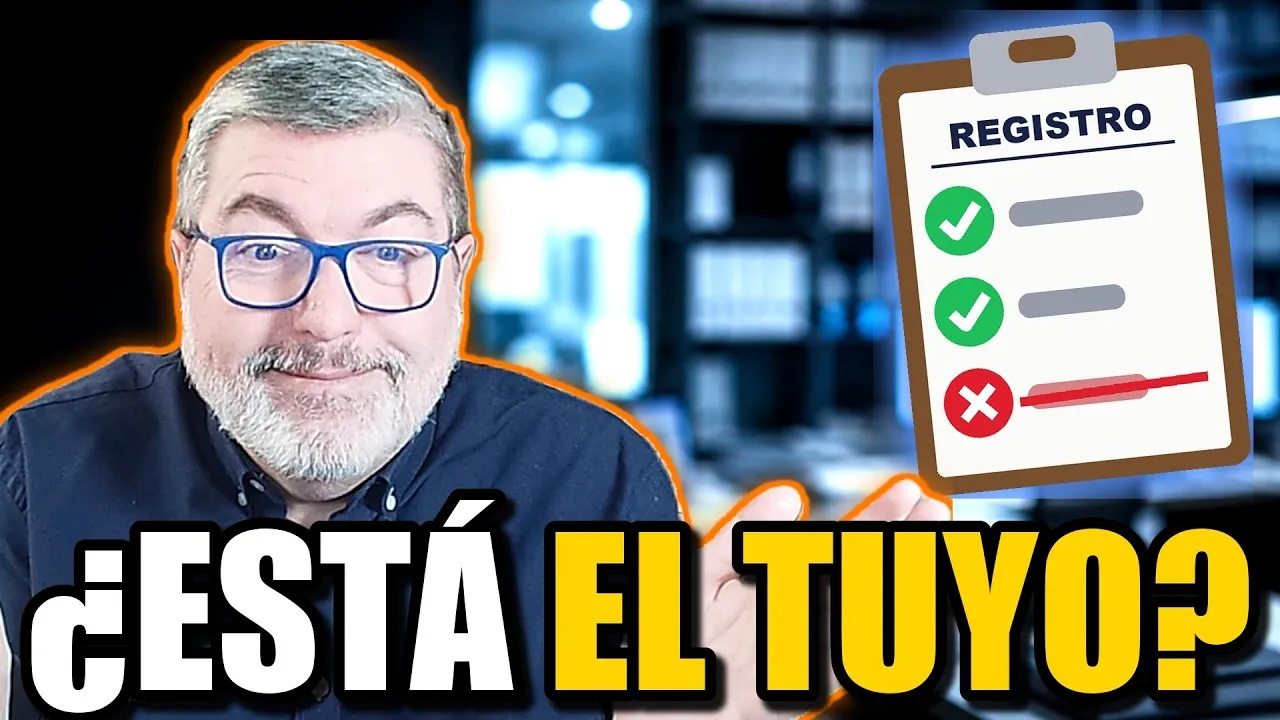
Binance has announced it will close its users’ accounts in Spain on December 31 and, starting November 29, will charge a fee to those who keep a balance on the platform. The reason, as the video explains: it does not hold a MiCA license. From there, Fernando Molina walks through on Territorio Blockchain how to check, step by step, whether the exchange you use is authorized to operate in Spain.
What has changed with MiCA in Spain
Since July 1, 2026, only authorized platforms may provide cryptocurrency services in Spain. The practical consequence is straightforward: if your exchange is not listed in the corresponding register, there is no supervisor behind it and no complaints channel to turn to if something goes wrong.
The European MiCA (Markets in Crypto-Assets) regulation harmonizes the rules for crypto-asset service providers in the European Union, so that an authorization granted in one country allows them to operate across the rest of the EU market. Entities that do not complete that process are left out.
What has happened to Binance
The Binance case is the one that opens the video and the one that has set off alarm bells among Spanish users: account closures at year-end and a fee for holding a balance starting November 29. For those who still have funds on the platform, the timeline is the first thing to be clear about.
How to check whether your exchange is in the register
Fernando Molina shows how to carry out the check in two official sources: the CNMV register of crypto-asset service providers and the ESMA register, the European markets authority. It is also worth reviewing the CNMV warnings section, where the supervisor publishes alerts about unauthorized entities.
The most common traps
The video devotes a section to the most frequent mistakes and scams when deciding whether a platform is legitimate: clones of well-known websites, the generic “we are regulated” message with no further detail, and licenses obtained outside the European Union, which do not authorize operating in Spain. It then covers what to do if your platform does not appear in the register, what options Binance users have and how to file a complaint with the CNMV.
Frequently asked questions
Where can I check whether an exchange is authorized in Spain?
In the CNMV register of crypto-asset service providers and in the ESMA register for the EU as a whole.
What happens if my platform is not in the register?
As explained in the video, there is no supervisor or complaints channel behind that service.
This content is for informational purposes only and does not constitute financial advice.
Subscribe to our YouTube channel so you never miss an interview: Territorio Blockchain on YouTube.
Territorio Blockchain has affiliate agreements with Bitget and Tangem. If you sign up or buy through these links we may receive a commission, at no additional cost to you. These agreements do not influence our editorial content.
- Sign up on Bitget and get a discount on fees.
- Buy your Tangem wallet with a discount for Territorio Blockchain readers.
Get the best of the week in your inbox
Every Monday: the most-read stories on Territorio Blockchain, the new podcast episode and news about our events. Free, no spam.
We will send you an email to confirm. You can unsubscribe at any time with the link in every newsletter. Privacy